Helping the unseen seen
It was late at night when I had a conversation with Raissa about the first court hearing. Raissa was the first petitioner in the judicial review of the Disability Law at the Constitutional Court. She had just finished attending the session, and through our discussion, we both agreed that we needed a platform to introduce this issue to the public.
I started brainstorming possible names such as “tak terlihat” (invisible), “tak tampak” (hidden), and similar variations. I realized that I am not “invisible” as a person, it is my disability that is invisible. That’s why I chose the name Tidak Terlihat: because “my disability is unseen by others.” Only after the launch did I discover that the Indonesian Rheumatology Association had formalized a similar term: disabilitas taktampak (hidden disability).
Logo
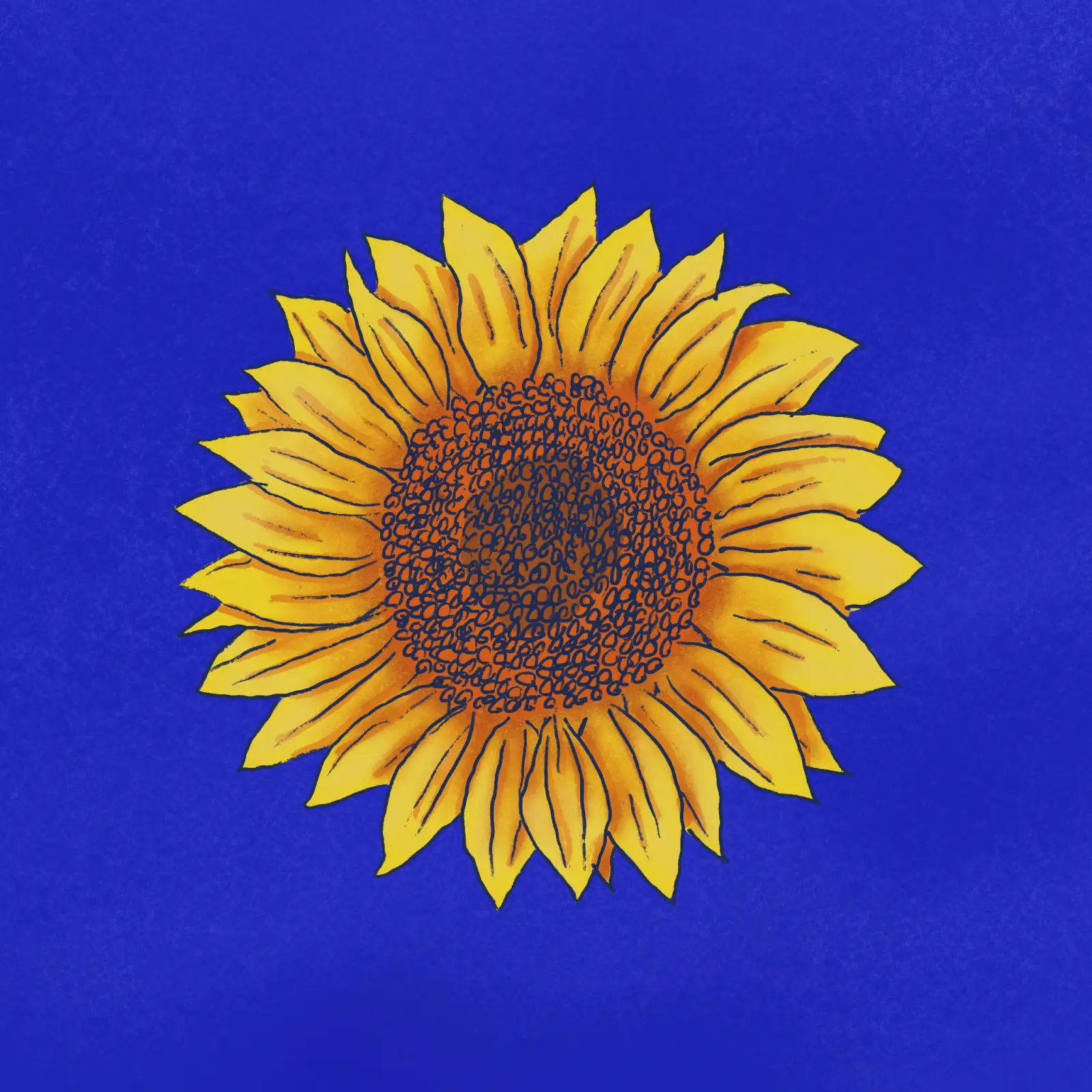
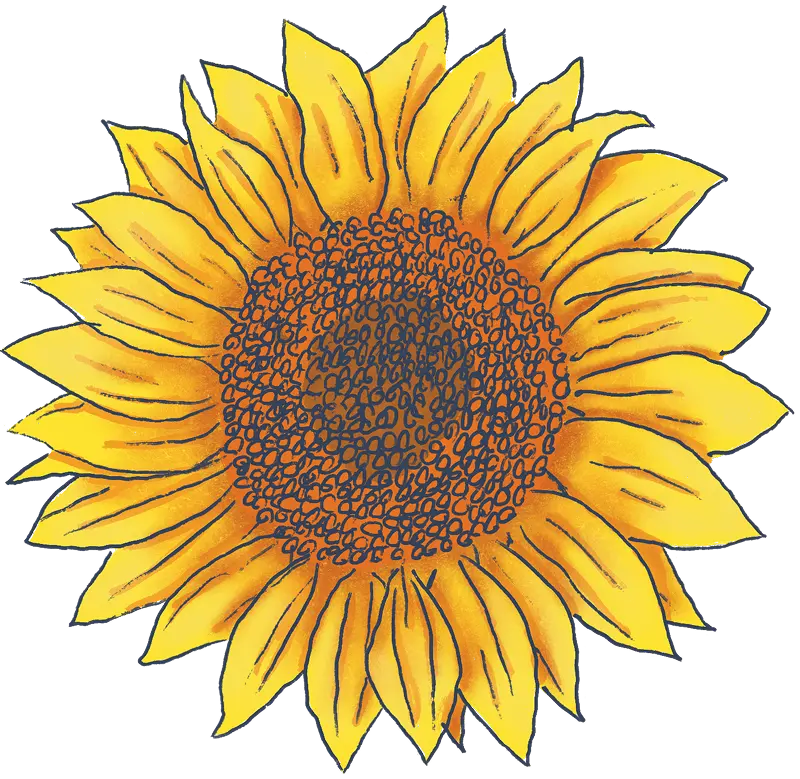
I recalled my conversation with Sarai about the Hidden Disability Sunflower, a movement that helps individuals with hidden disabilities receive proper accommodations in public spaces. After studying its copyright and trademark, I decided to adapt the sunflower concept into this project.
This time, I wanted to try something different. I was tired of clean vector logos, even though ideally a logo should be vector-based for scalability. My estimation was that this movement would not need large-scale printed banners or street demonstrations. Even if it needed to be printed, a 2048px design would still work for an A2 size poster without looking too pixelated from a distance.
The logo came together in just a few minutes on Procreate, sketched while I was waiting for my daughter at her English course.
Tone and manner
Just like the logo, I wanted the overall design implementation to feel clean, modern, yet still human. I chose to use digital illustrations for most of the visual elements on the website and social media.
The main reason was deeply personal: this issue is also my story. I wanted my personality to shine through the visuals. For example, the unbalanced strokes in the drawings are not just a stylistic choice, they come from the tremors in my dominant hand. What might look like imperfections are actually traces of lived experience.
Website
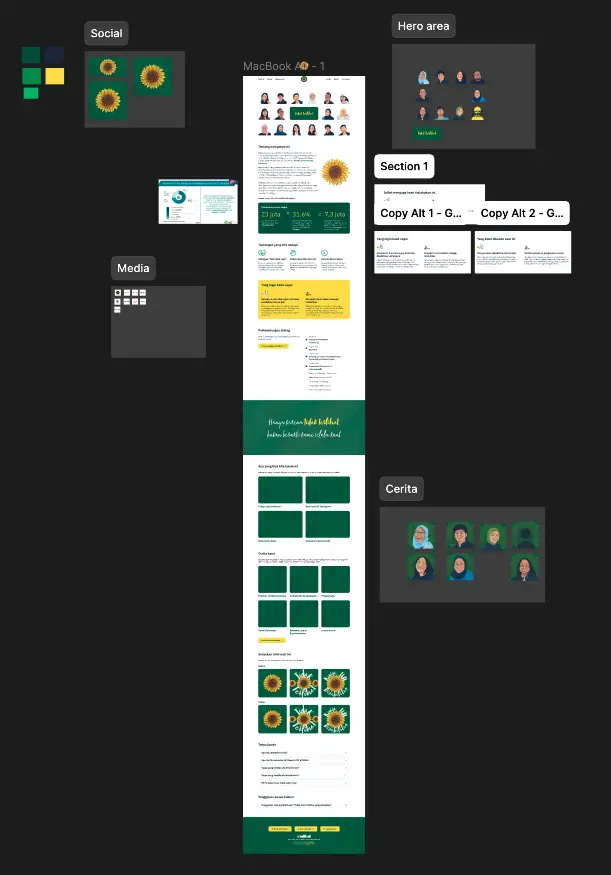
The process of conceptualizing and executing the website was surprisingly fast. I had completed the initial concept within four hours,. Just eight hours later, the HTML and CSS were ready. What took longer was the illustration and content work, which required constant back-and-forth with team members.
In the middle of this process, something unexpected happened: Felicia, my former colleague, reached out and offered to help with the content. Her support gave me an extra boost, especially when I was juggling between the visual direction and the storytelling of the site.
In total, I spent around 40 hours to make sure the website was ready to go live and its social media channels prepared for launch.
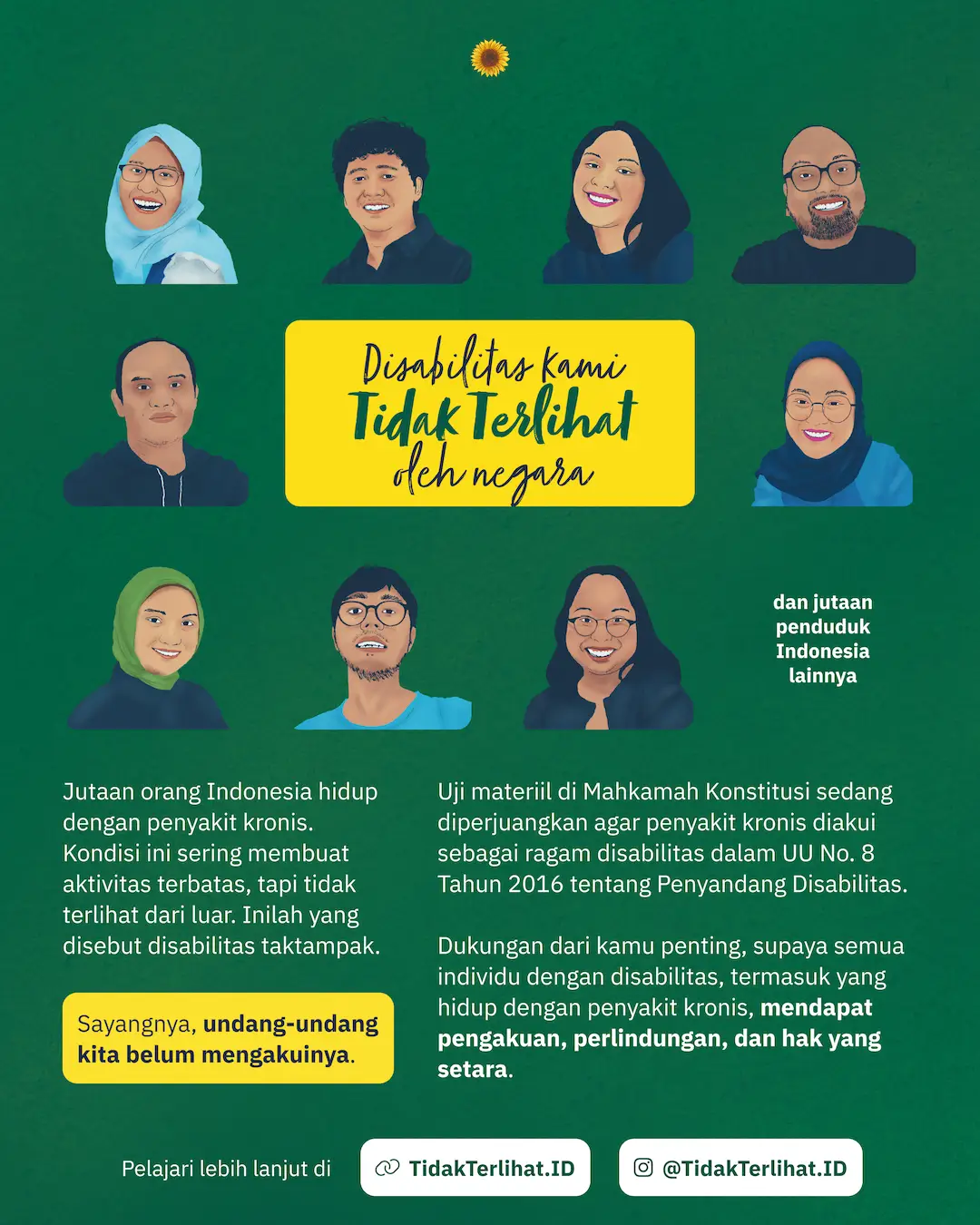
The main concept for the hero section reflects the project’s name, Tidak Terlihat. It features smiling faces that appear completely fine at first glance, yet behind them lie invisible disabilities. My initial plan was to create 18 portrait illustrations, but due to time constraints, I could only finish nine.
The narrative structure of the site starts with introducing the campaign, then explaining the judicial review process, offering actions people can take, and finally sharing stories from friends living with chronic illnesses. By the time I wrote this, the stories section had become one of the most engaging parts, with plenty of outbound links to the Aksesibel platform.
The website was actually ready to launch on August 16, but I decided to wait for approval from the Petitioners and the legal team. It was only on August 18 that I finally released it to the public.
Social media
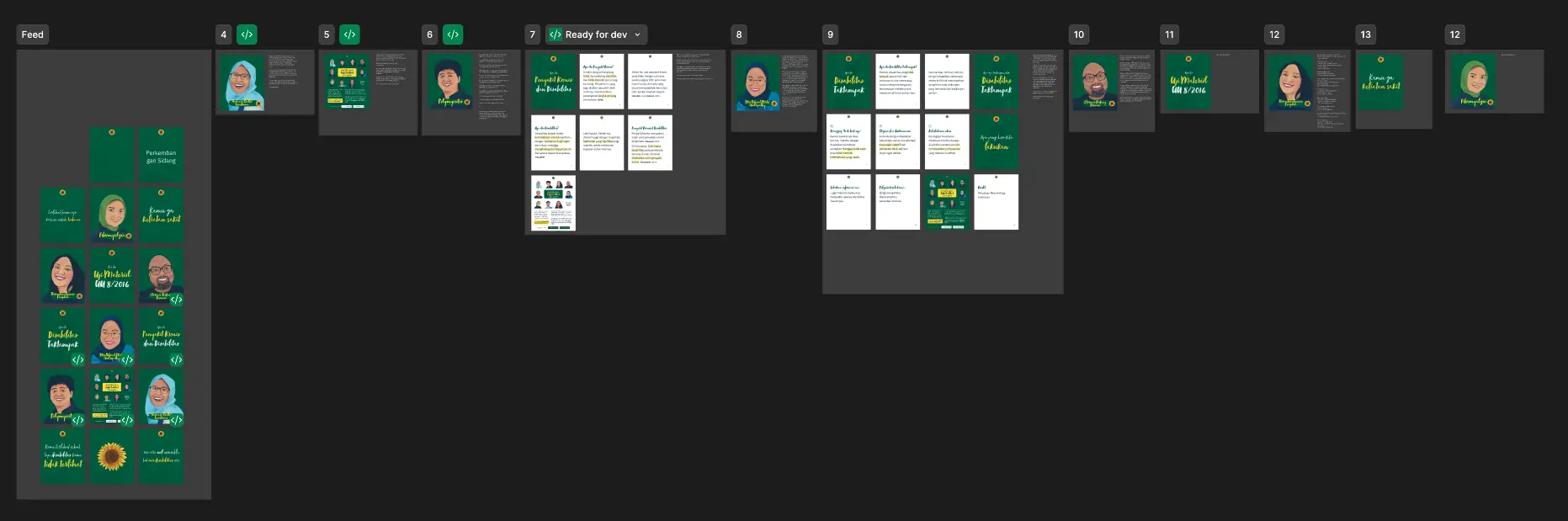
For social media we decided to only use Instagram. I began the account with three initial posts that I felt would resonate strongly with the audience by reflecting their own stories. Two of them carried a direct message: in Indonesian, “Kami terlihat sehat, tapi disabilitas kami tidak terlihat” and in English, “We are not invisible, our disabilities are.” These two posts alone brought in over 200 followers in less than two days. While I did run a small ad boost, only about 15% of the growth came from paid reach, the rest was organic.
The third post explained the logo and why I adopted the sunflower as a symbol. After that, I prepared a week’s worth of content covering the fundamentals: what chronic illness is, what disability means, what hidden disability is, and why the judicial review was necessary. These were interspersed with personal stories from fellow fighters.
This organic growth was possible because of teamwork. Each of us shared the campaign within our own networks. I personally shared it on LinkedIn, where the post received over 200 likes, as well as across multiple WhatsApp groups, my personal X/Twitter account, and Instagram. The combined effort amplified the reach far beyond what a single channel could achieve.
Closing
Within the first week of launching the Instagram account, we had already gained 400 followers, reaching 43,600 views and 1,200 interactions. The website itself attracted 400 visits in the first 24 hours.
Working on this project was deeply personal for me. Through it, I finally acknowledged my own disability, something I had previously written about in my earlier blog post (in Indonesian). This campaign was not just about raising awareness, but also about embracing my own journey.
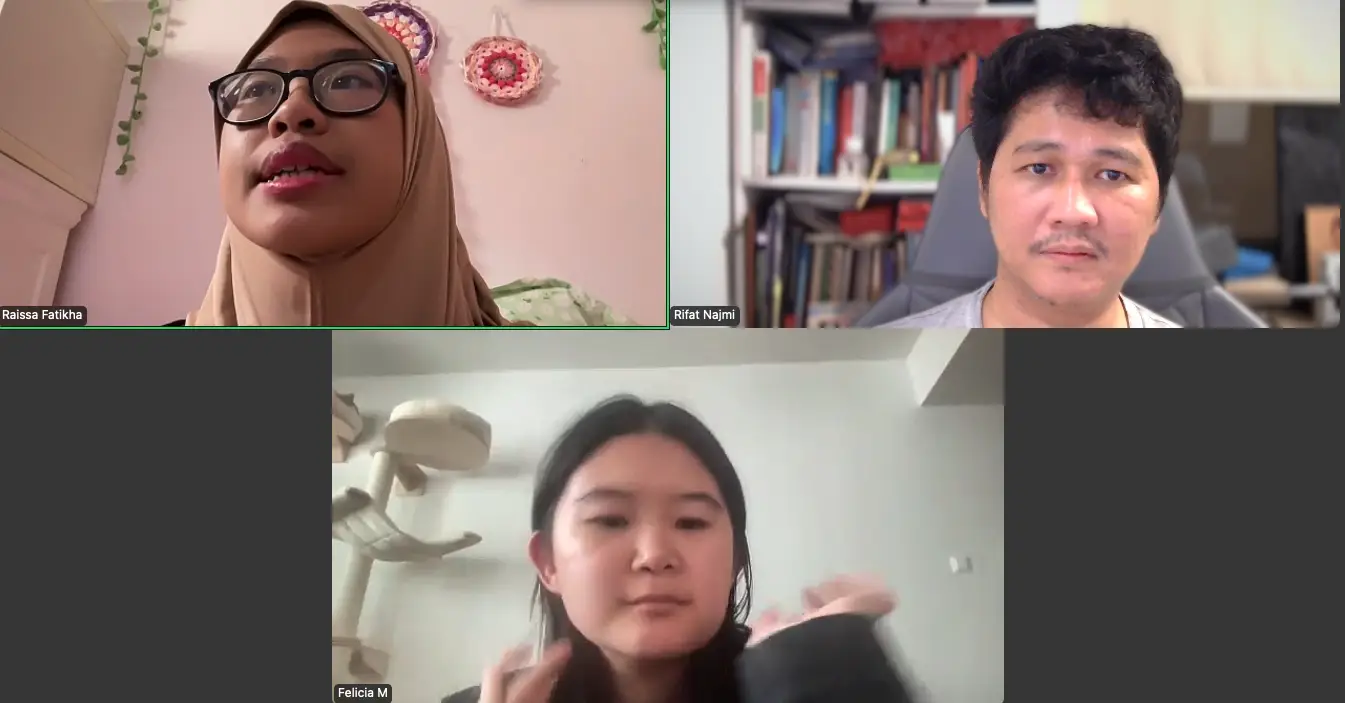
I also learned the value of moving fast and keeping things simple. With only a few WhatsApp conversations and a single video call to onboard Feli, we managed to create something meaningful that resonated with others.
Finally, I want to express my gratitude to Sarai for the inspiration that helped shape this project.
Please help us reach more audience
You can visit the website, TidakTerlihat.ID to learn about our cause. Follow our Instagram at @TidakTerlihat.ID, and repost our poster.